Arts & Culture
Exhibitions
In Creative Partnership with Joseph Fowler,
Head of Arts & Culture
"I always felt the exhibitions deserved more space within the event. They offered something different: a way for people to engage with the issues being discussed, rather than simply listen to them."
Project SnapshotWorld Economic Forum
2021 - 2026
Davos, Switzerland & Global
Exhibition Design & Experience
Spatial Design LeadOrganisation
Year
Location
Type
RoleRoleWorking closely with the Forum's Head of Arts & Culture, Joseph Fowler, I led the spatial design and delivery of exhibitions and artistic installations across the Forum's flagship events.Together, we developed the exhibition concepts, exploring how each artist's work could be translated into a spatial experience within the wider event. I was responsible for assessing feasibility, developing design proposals, and selecting materials, finishes and display solutions, working directly with artists to ensure the designs respected their vision.Once the design direction was agreed, I led its technical development and production with PublicisLive, preparing layouts, elevations and print files, reviewing fabrication drawings, and coordinating final approvals and on-site installation. I also advocated for the exhibitions' visibility and integration within the wider event footprint.The BriefThe Forum's Arts & Culture programme, as Joseph Fowler (Head of Arts & Culture) has described it, is a platform for reimagining how culture can shape society, bridge divides and act as a catalyst for dialogue. Art offered participants a different way to engage with the issues being discussed, beyond the traditional conference format.
When Joseph and I joined the Forum, we saw an opportunity to establish an exhibition standard that matched the ambition of the artists and the institution. Joseph developed the curatorial direction, while I developed the spatial and material language. The two evolved together.
The constraints were significant: short installation windows, complex technical requirements, existing architectural conditions and limited budgets for materials and finishes. Exhibitions also had to compete for space and visibility within an already demanding event programme. Part of my role was advocating for their place within the wider event footprint, ensuring the artistic ambition wasn't lost to operational priorities.
Alongside the individual exhibitions, I developed a consistent exhibition design framework, establishing standards for typography, content hierarchy, display structures, sightlines, reading distances and the integration of the Forum's identity with each artist's visual language. The challenge was to create consistency across events without imposing a uniform aesthetic on the artworks themselves.
ObjectivesEstablish museum-grade exhibition standards. Develop the spatial, material and technical quality expected by internationally recognised artists and cultural institutions, creating the conditions for ambitious collaborations and partnerships.
Give art a meaningful place within the event. Advocate for exhibition space, visibility and integration within the wider event footprint, ensuring installations were experienced as part of the programme rather than as secondary additions.
Translate artistic vision into spatial experiences. Work closely with Joseph, the artists and production partners to develop exhibition concepts that respected each artist's work, from material selection and display solutions to lighting, circulation and visitor experience.
Build a consistent yet adaptable exhibition framework. Establish standards for typography, content hierarchy, display structures, sightlines, reading distances and environmental graphics, balancing the Forum's identity with each artist's visual language.
Develop a co-curation approach for host-country events. Work with Joseph and local cultural partners, particularly in China, to accommodate different curatorial perspectives and cultural contexts within a coherent exhibition design and delivery process.
Protect design quality through production. Navigate short installation windows, structural restrictions, technical requirements and budget constraints without compromising the artistic intent or quality of execution.
The ApproachJoseph and I worked closely from the earliest stages of each exhibition. He would identify artists and explore potential collaborations, and together we would discuss how their work might translate into the event environment. My first responsibility was to assess what was spatially and technically feasible, considering the available footprint, architectural constraints, circulation and production requirements before an artist was formally engaged.
Once a collaboration was confirmed, I worked directly with the artist to understand their vision and introduce the particular conditions of the venue. Joseph and I would then develop the design direction together. I explored different spatial configurations through sketches, layouts and material studies, testing options with PublicisLive before presenting a proposal to the artist for feedback and approval. The intention was never to impose a standard exhibition format, but to find the right spatial response to each work.
Alongside these individual projects, I developed an exhibition design framework to establish a consistent level of quality across the programme. This covered typography, reading distances, content hierarchy, display structures, sightlines and environmental graphics, as well as the relationship between the Forum's identity and the artist's visual language. Material selection was equally important, from the finish of exhibition walls and display surfaces to the detailing of bespoke elements. The aim was to achieve a museum-grade standard within temporary environments, without losing the character of each installation.
Protecting that design quality through production was often the most demanding part. Installation windows were short, existing structures imposed restrictions, and budgets didn't always reflect the level of finish required. I worked with PublicisLive to resolve technical constraints, refine materials and construction details, and review production drawings and print files. Once the design had been approved by the artist, I took responsibility for its development through fabrication and on-site installation, coordinating final approvals where required.
At events in China, the process also needed to accommodate local cultural perspectives and partnerships. Working with Joseph and local collaborators, we explored how co-curation could be integrated into the exhibition programme while maintaining a coherent design approach. This required balancing the Forum's curatorial ambitions with the contributions of host-country partners, adapting the spatial and graphic language to suit the context rather than simply replicating the Davos model.
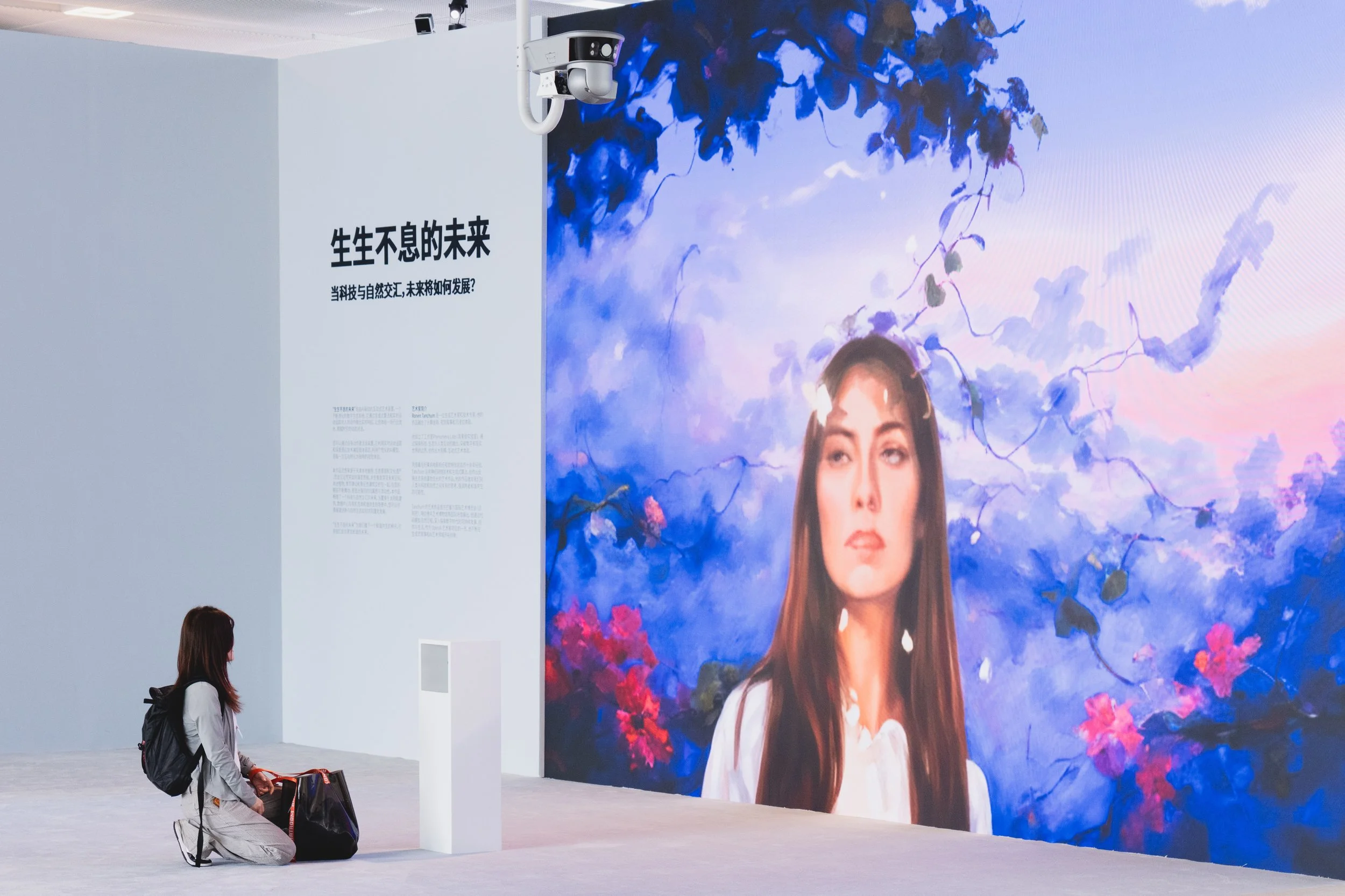
Selected Exhibitions
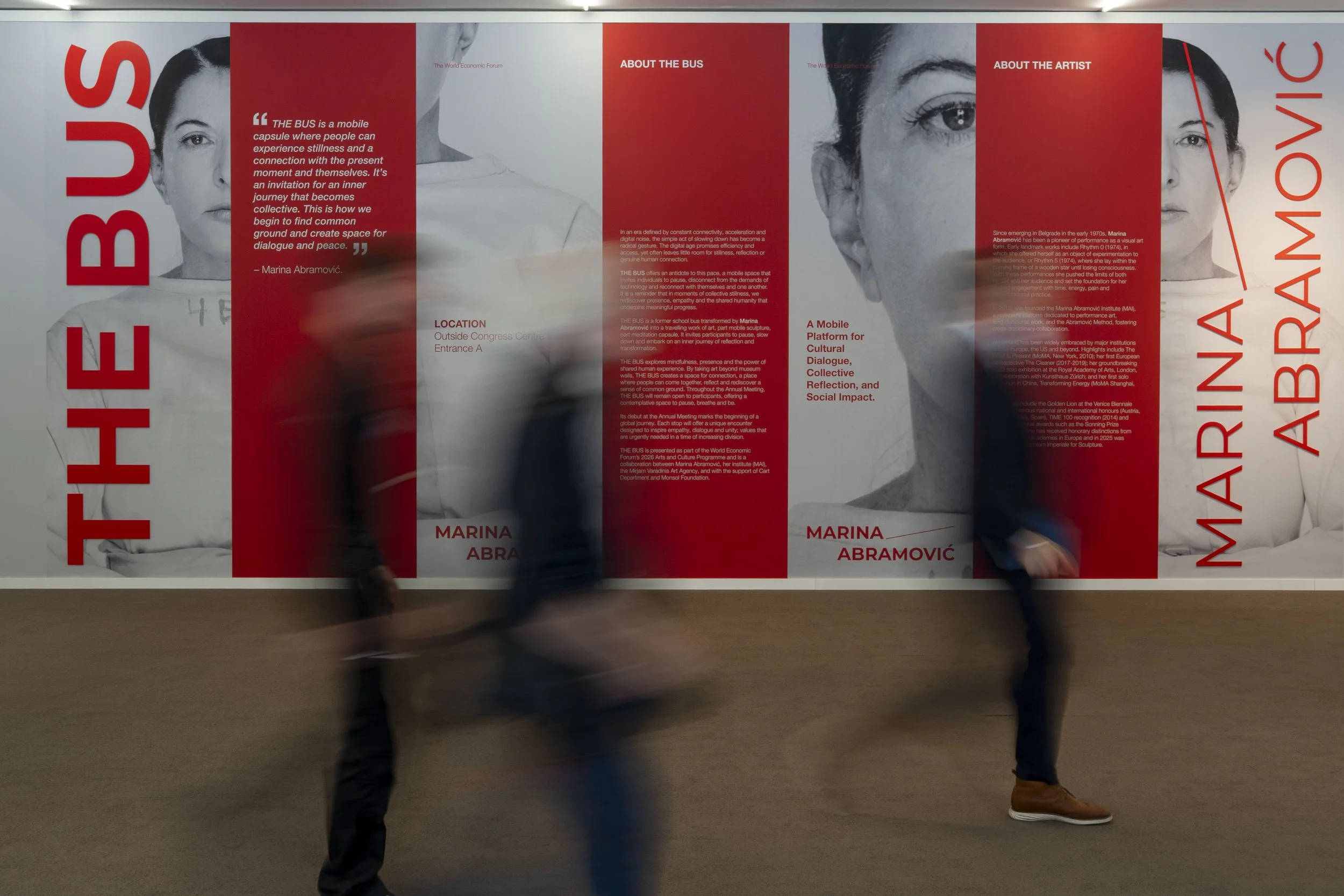
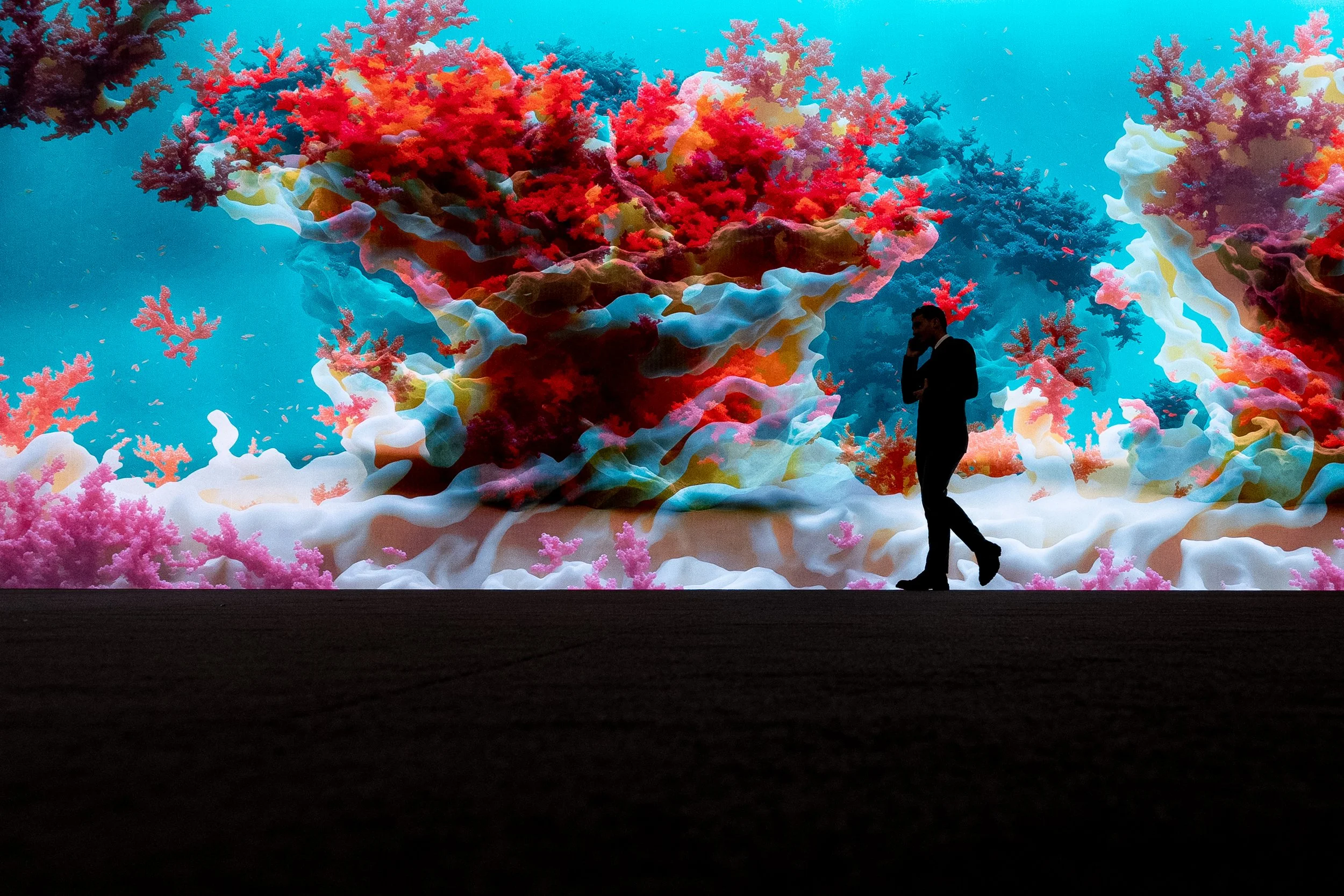
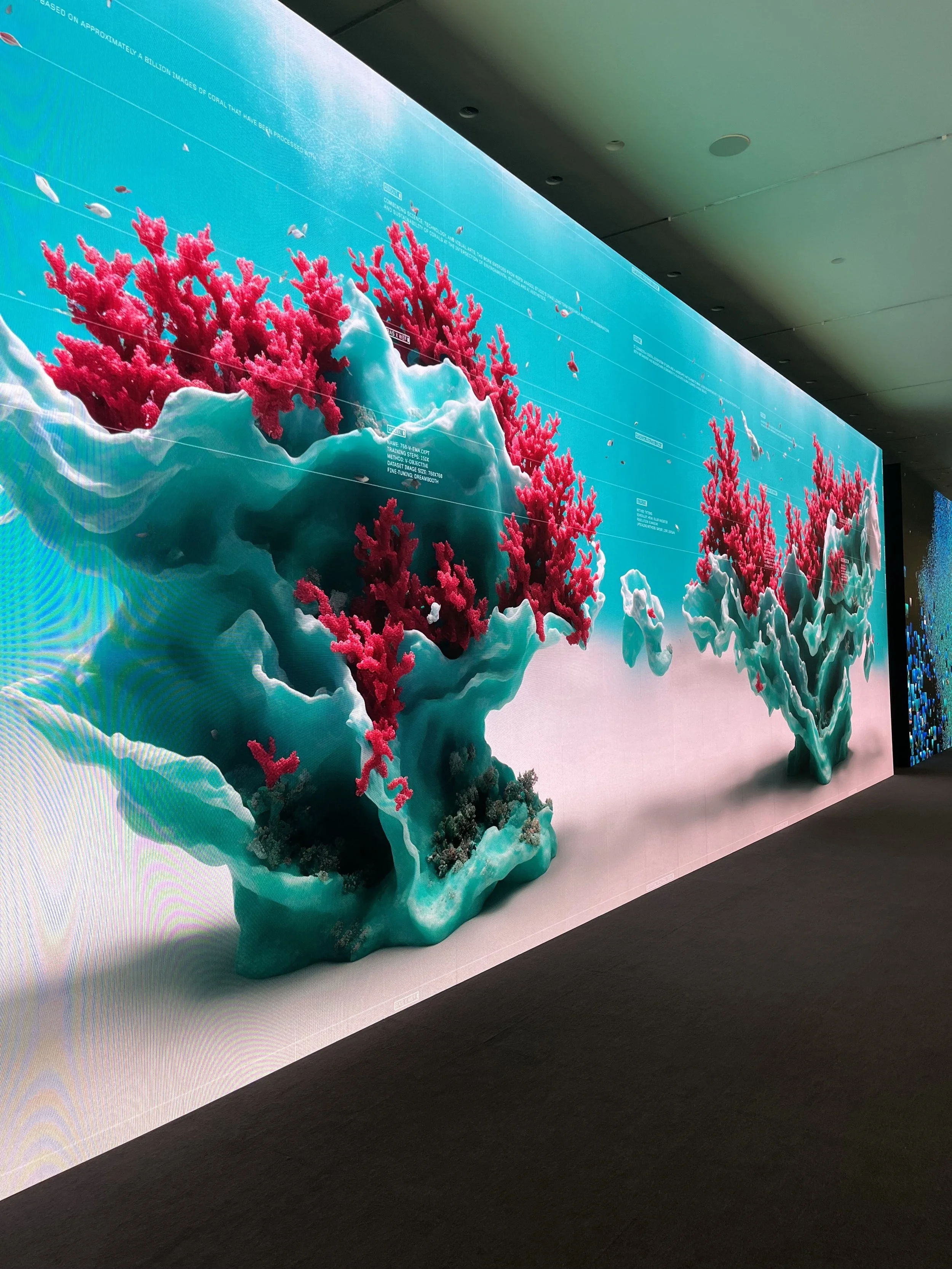

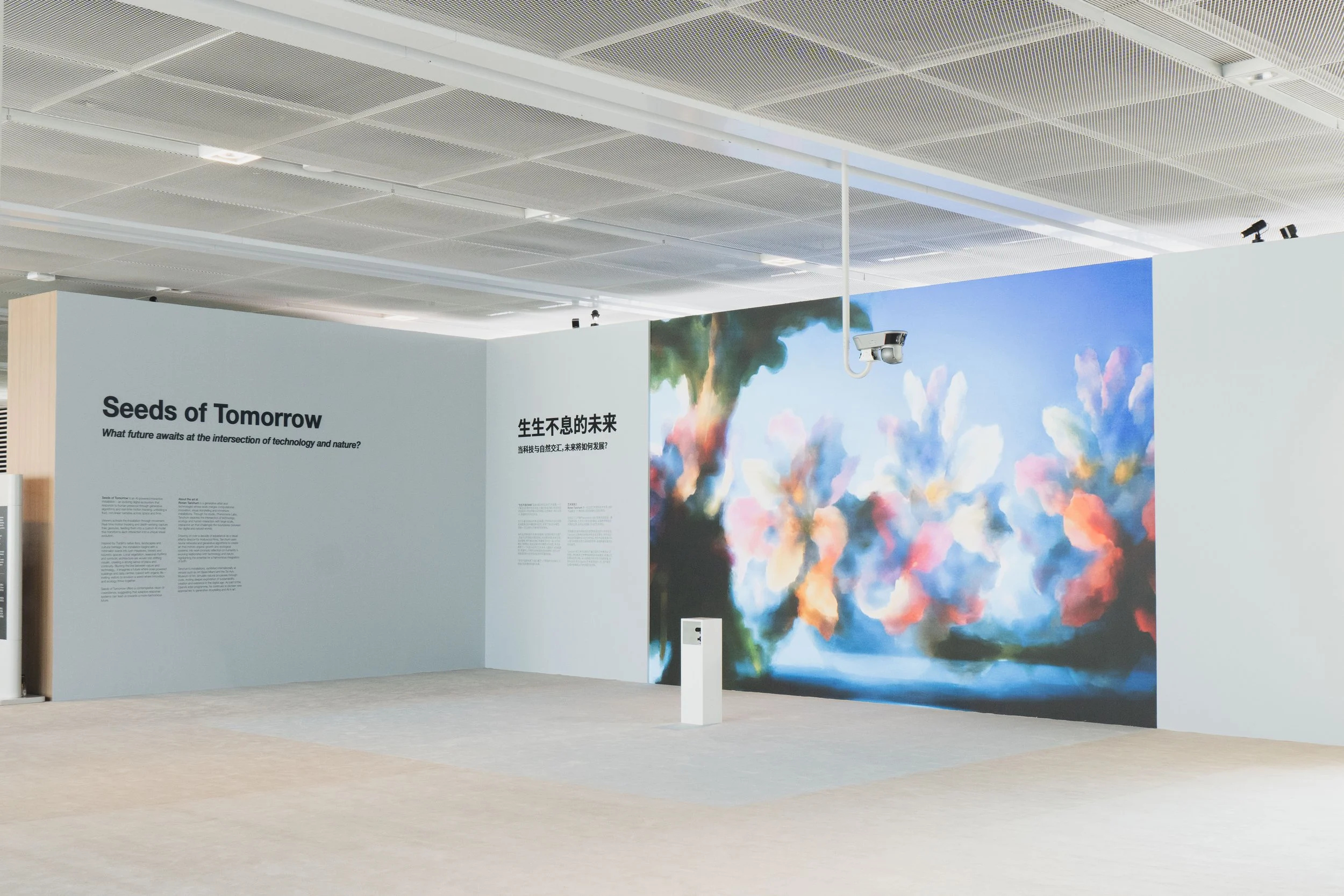
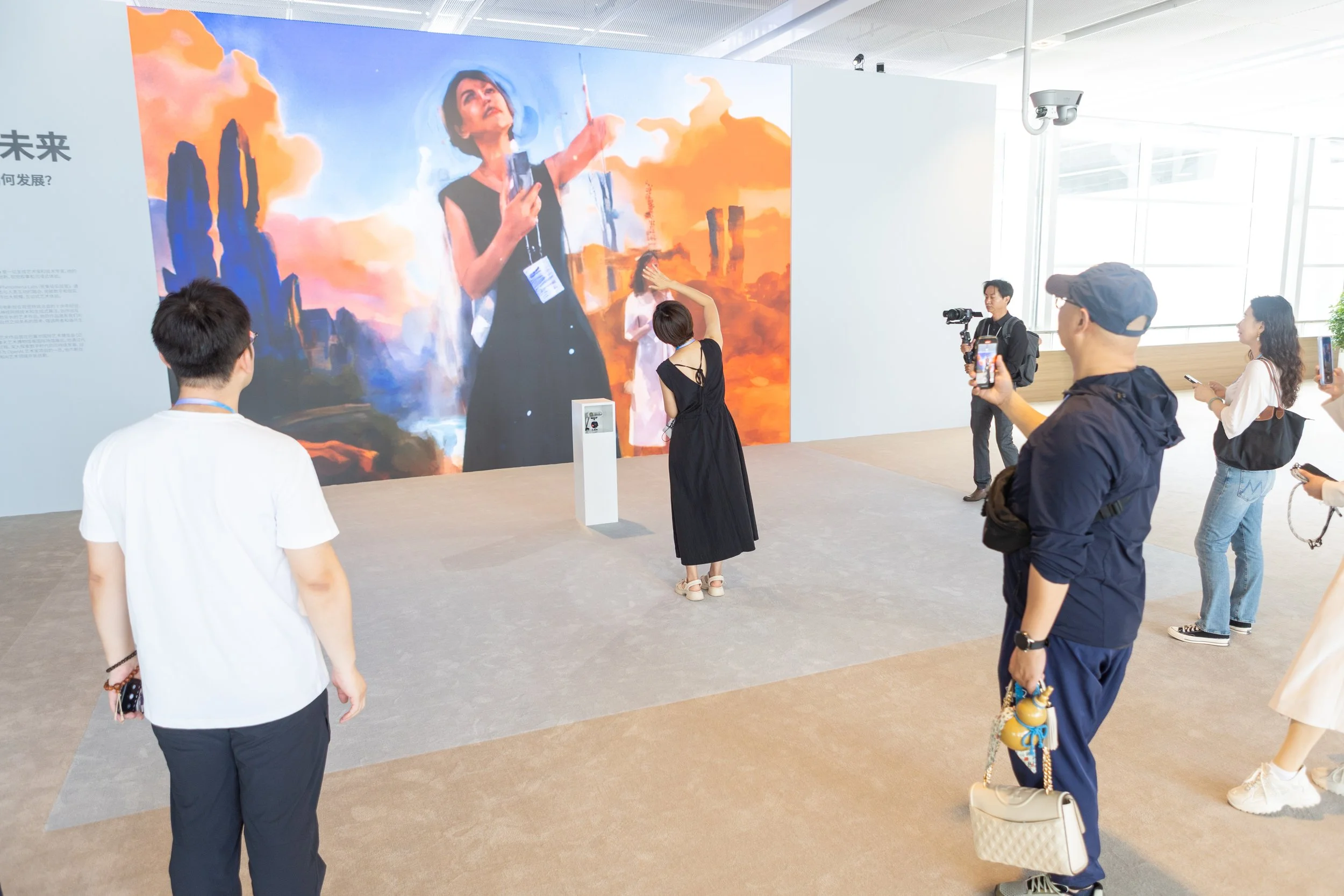
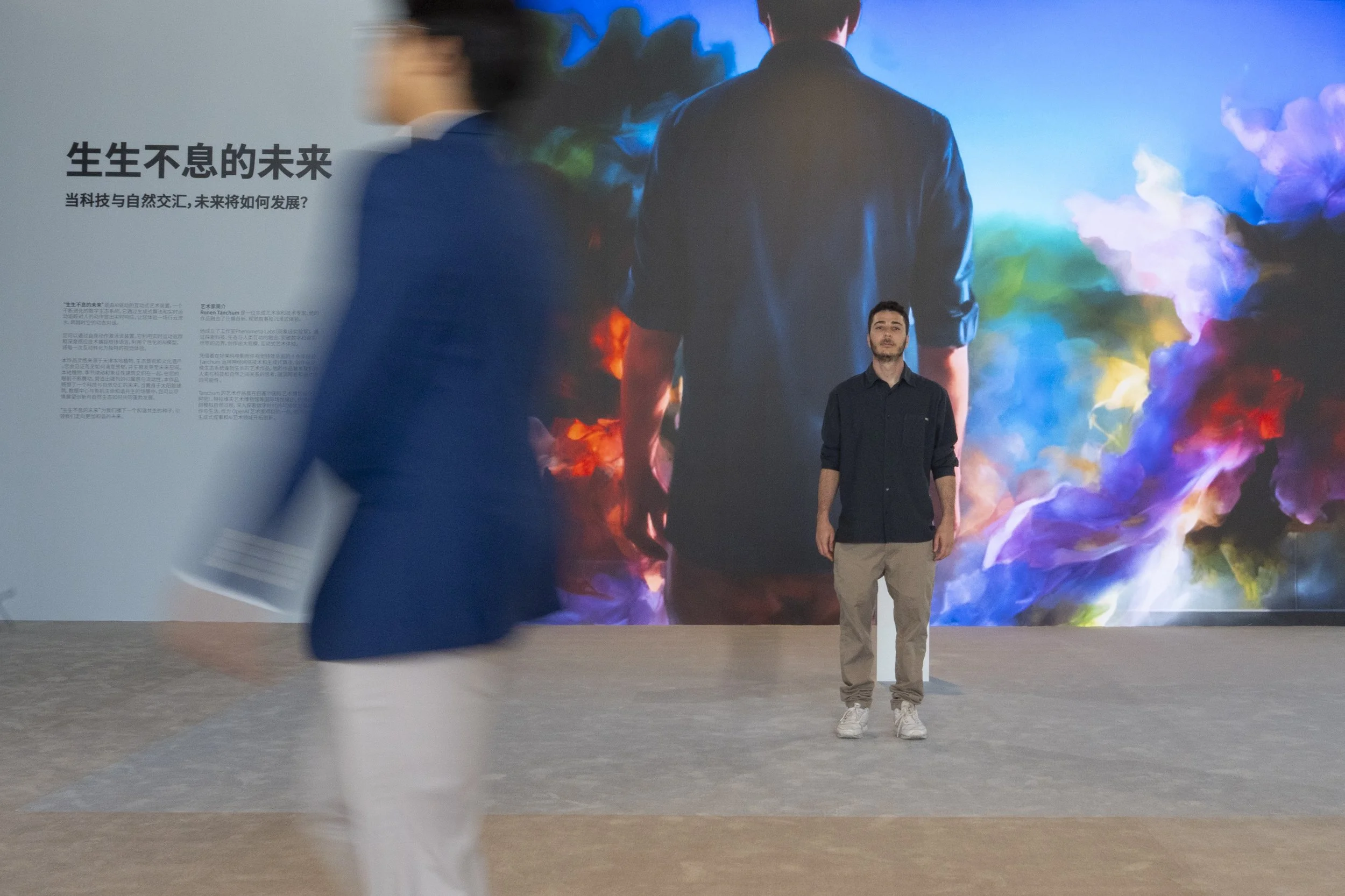
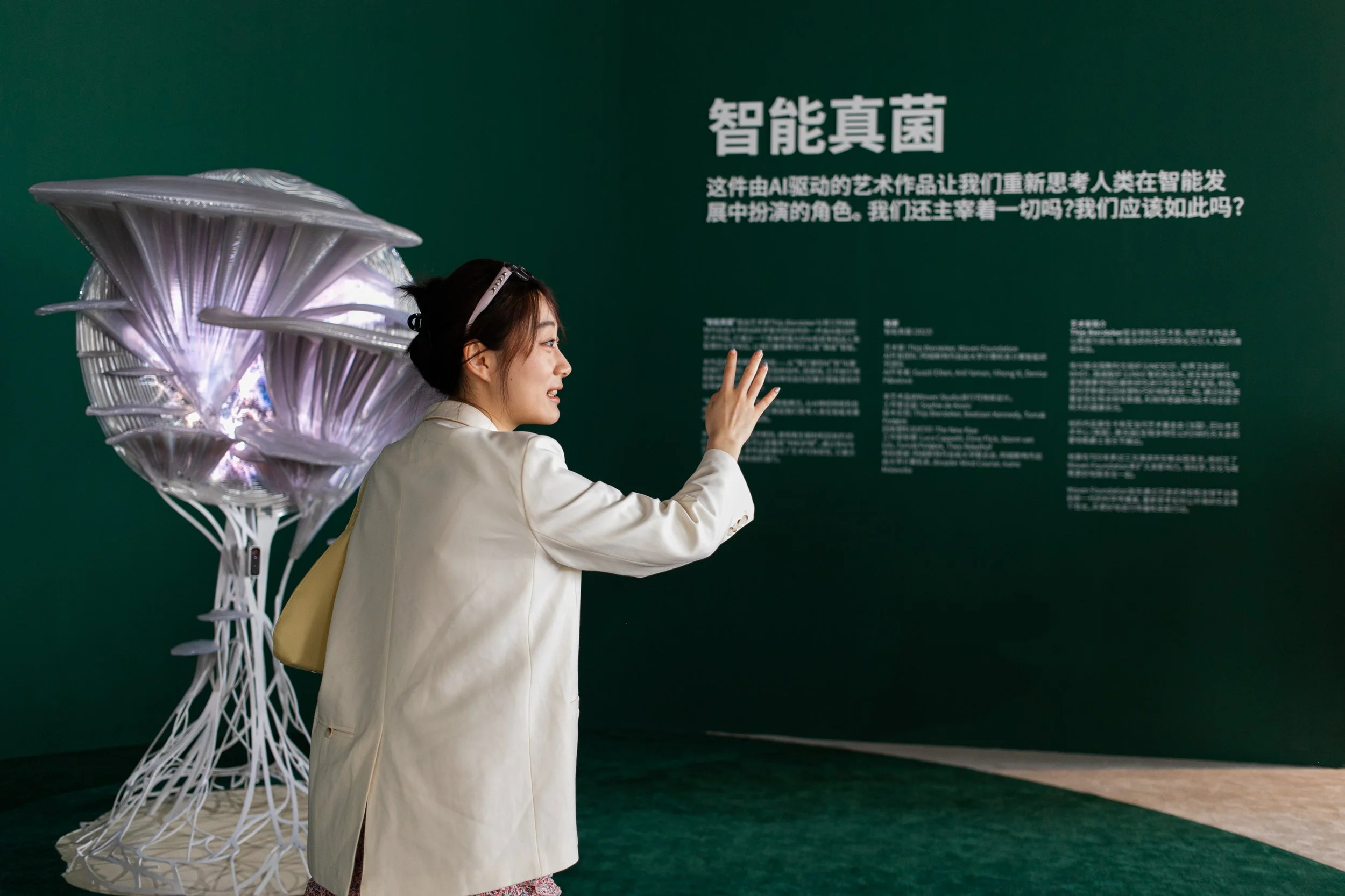
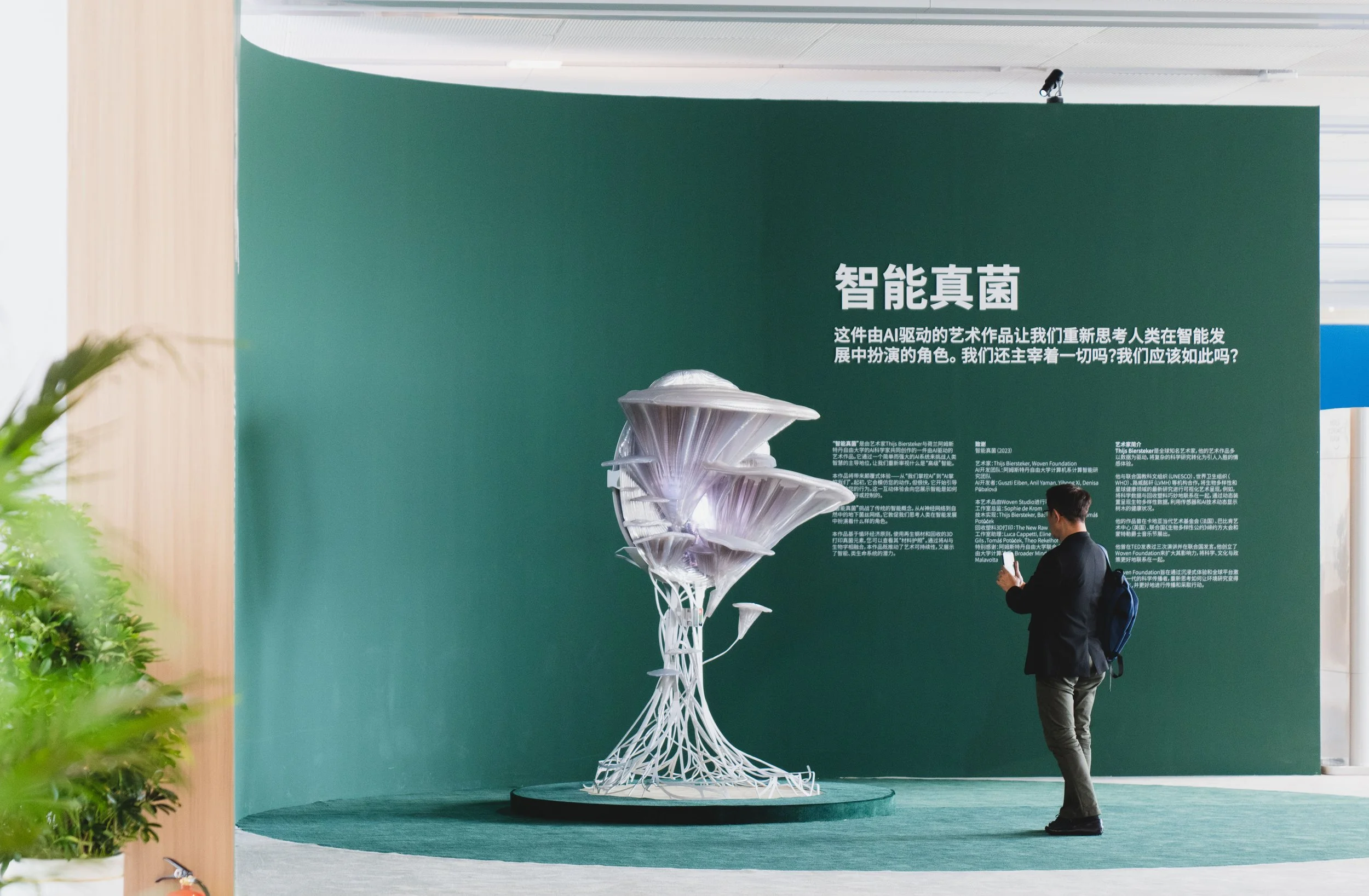
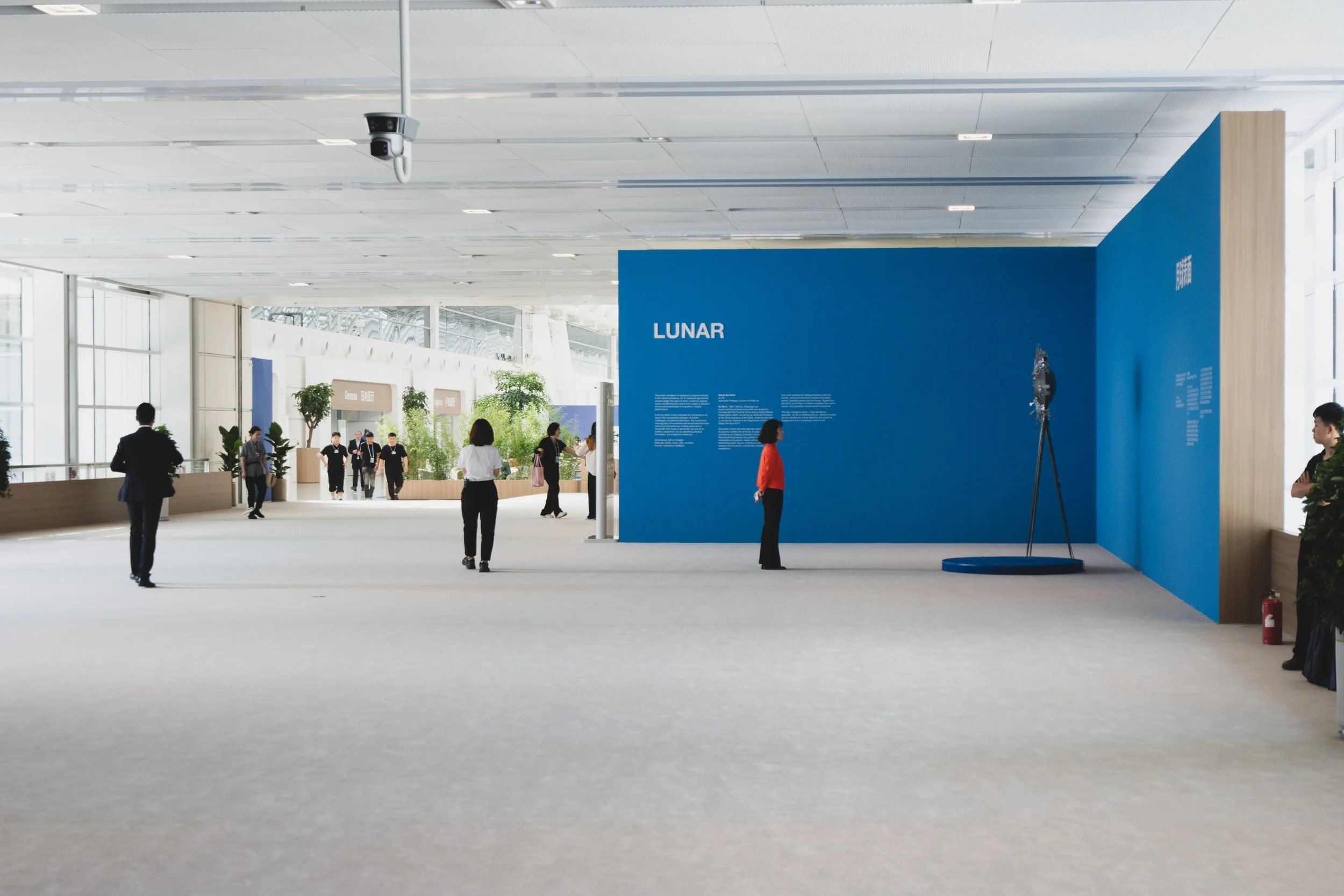
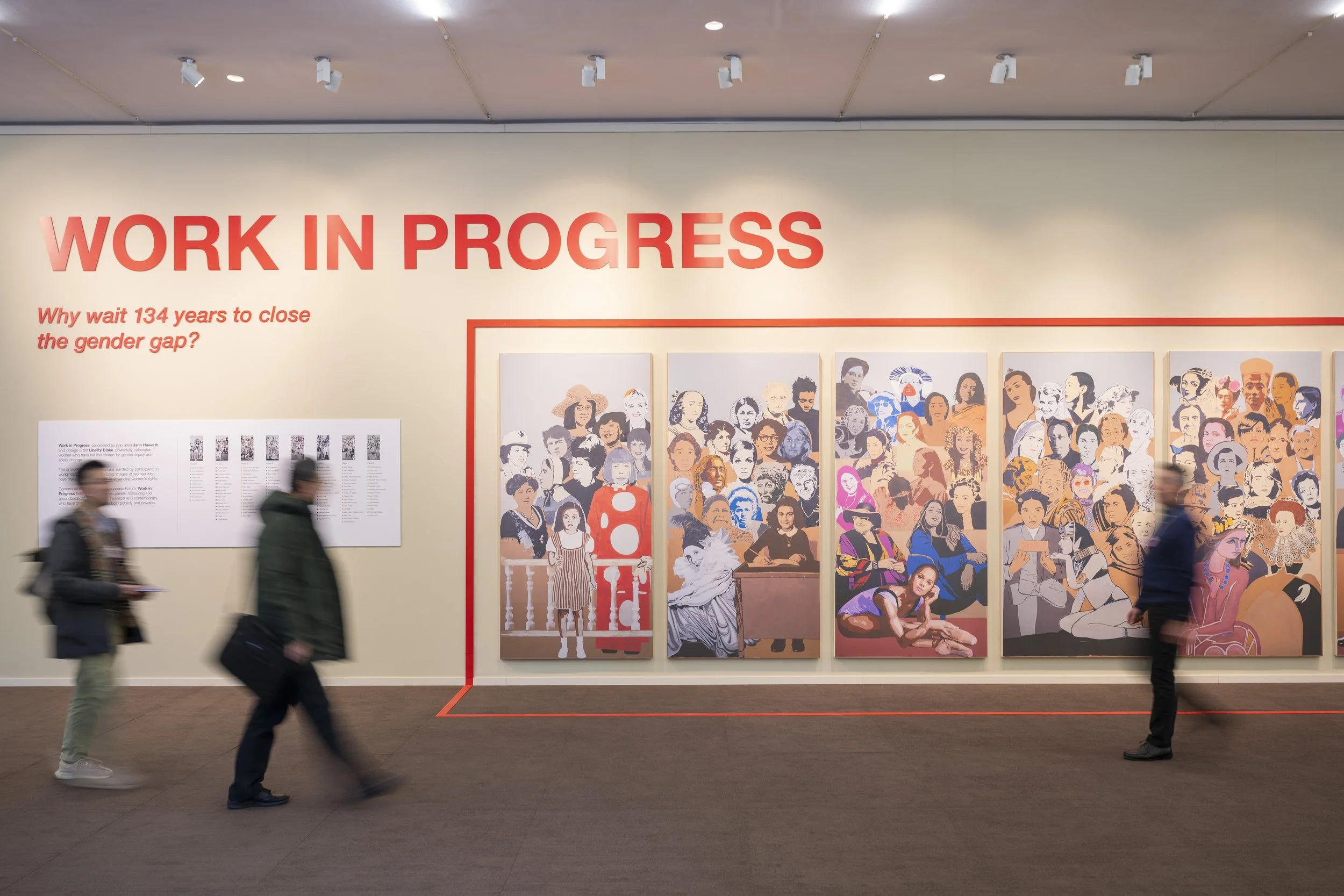
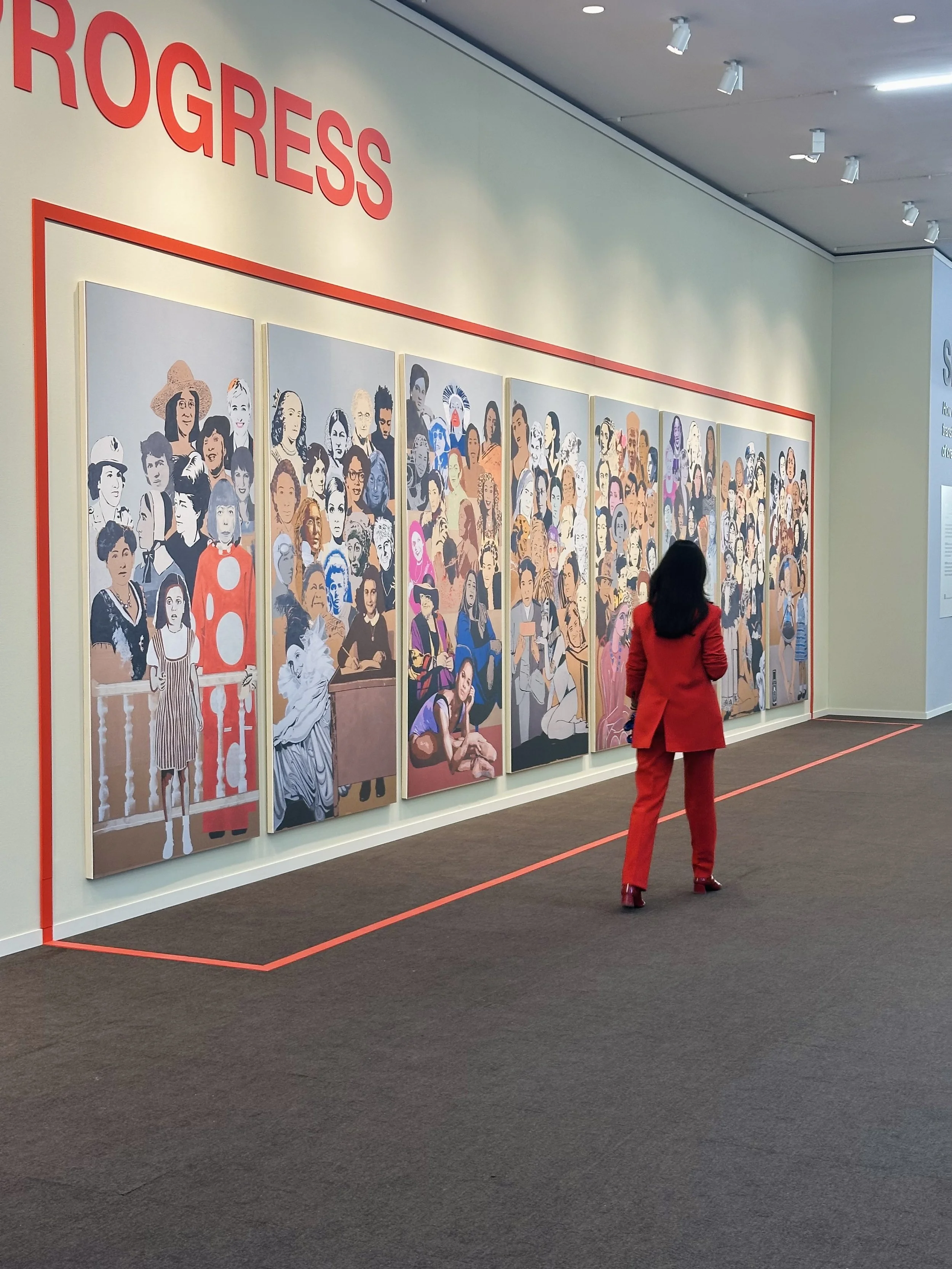
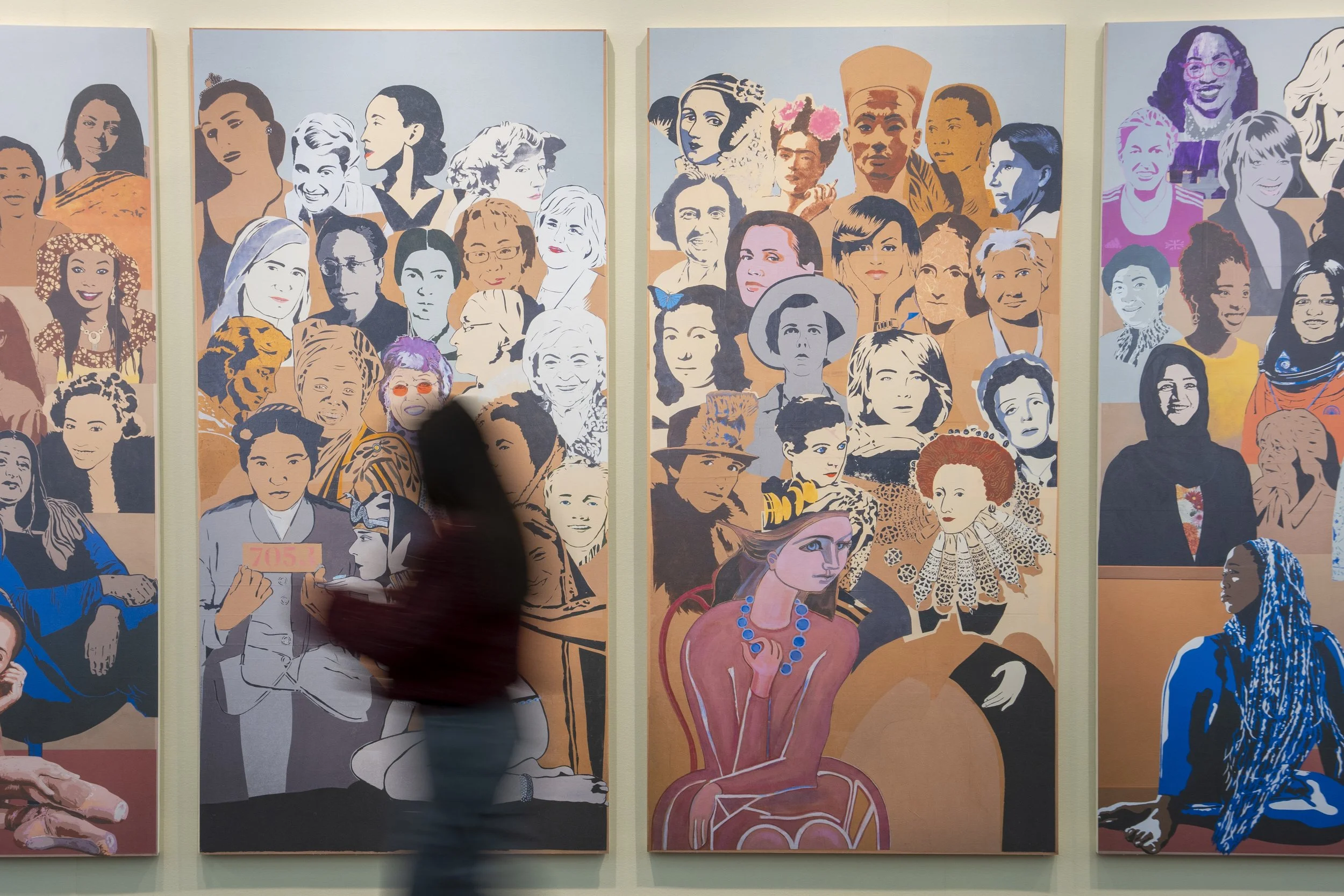
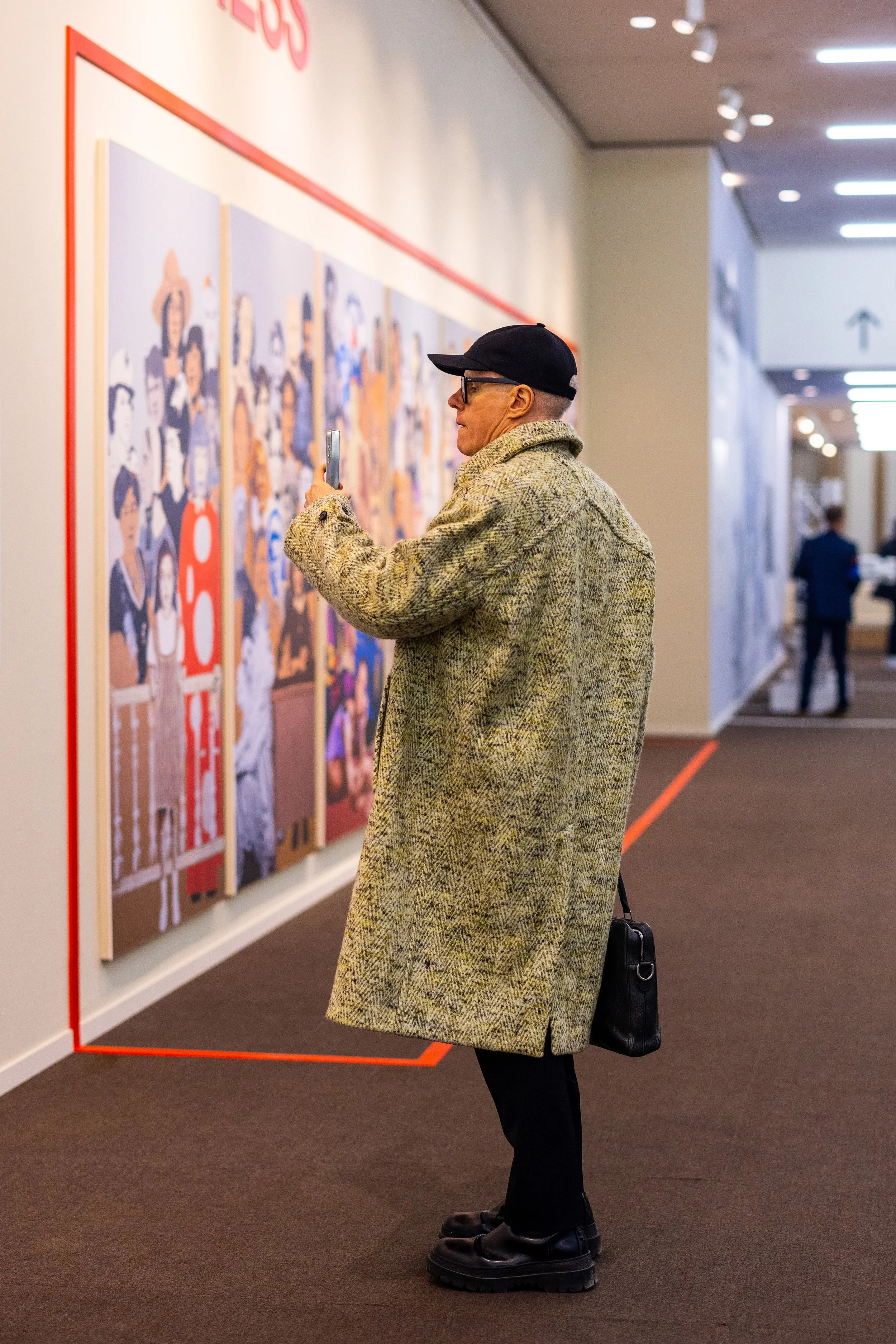
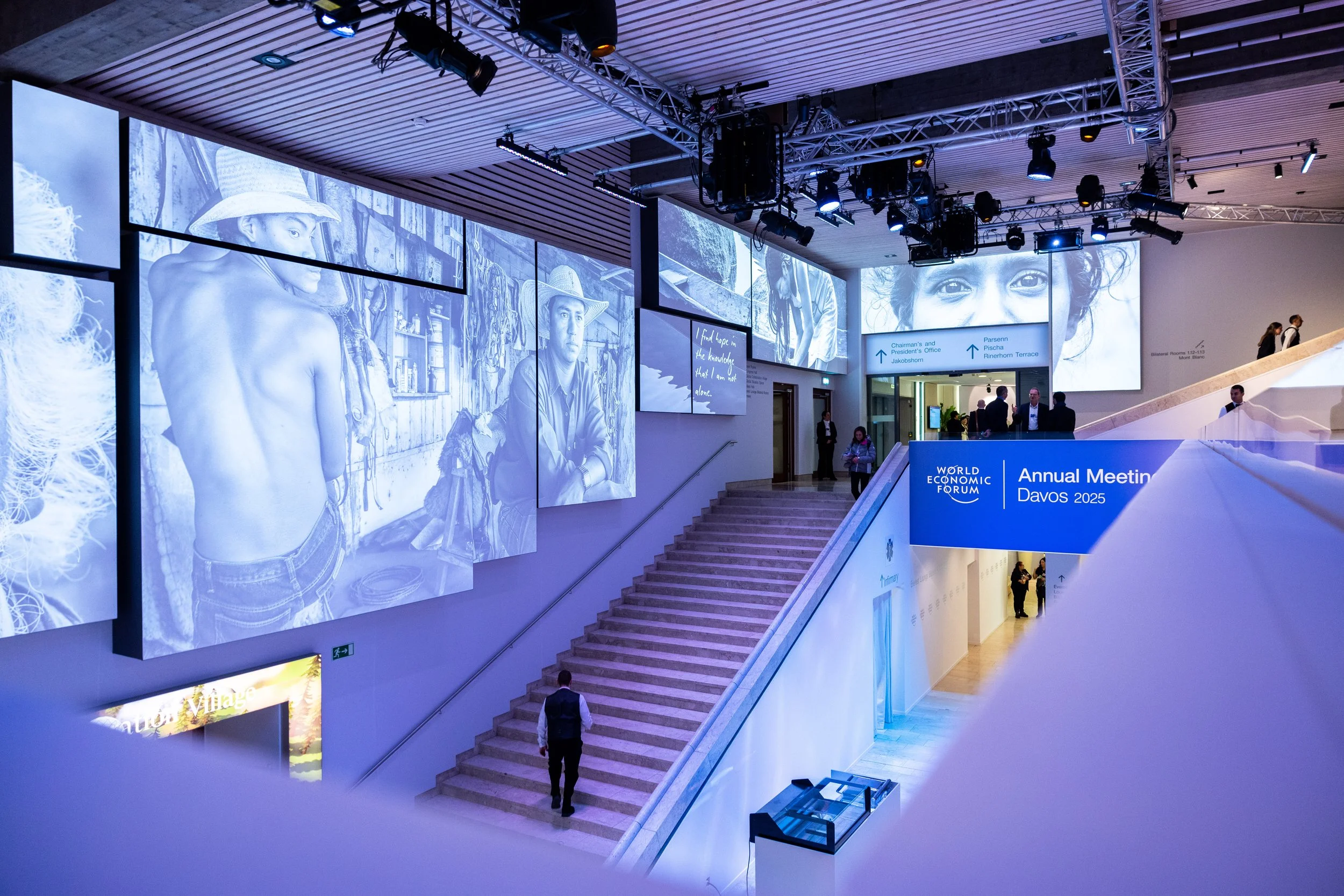
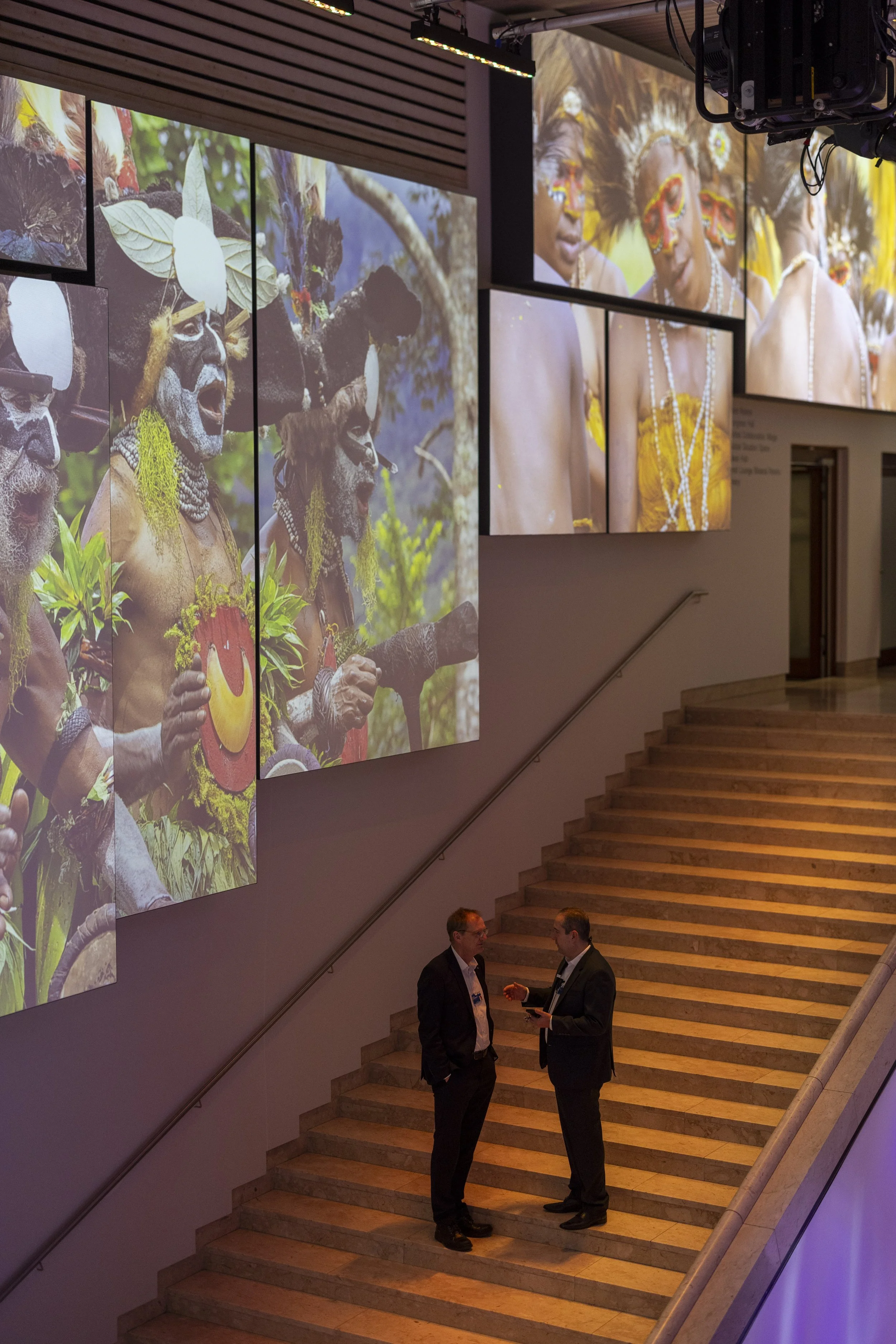
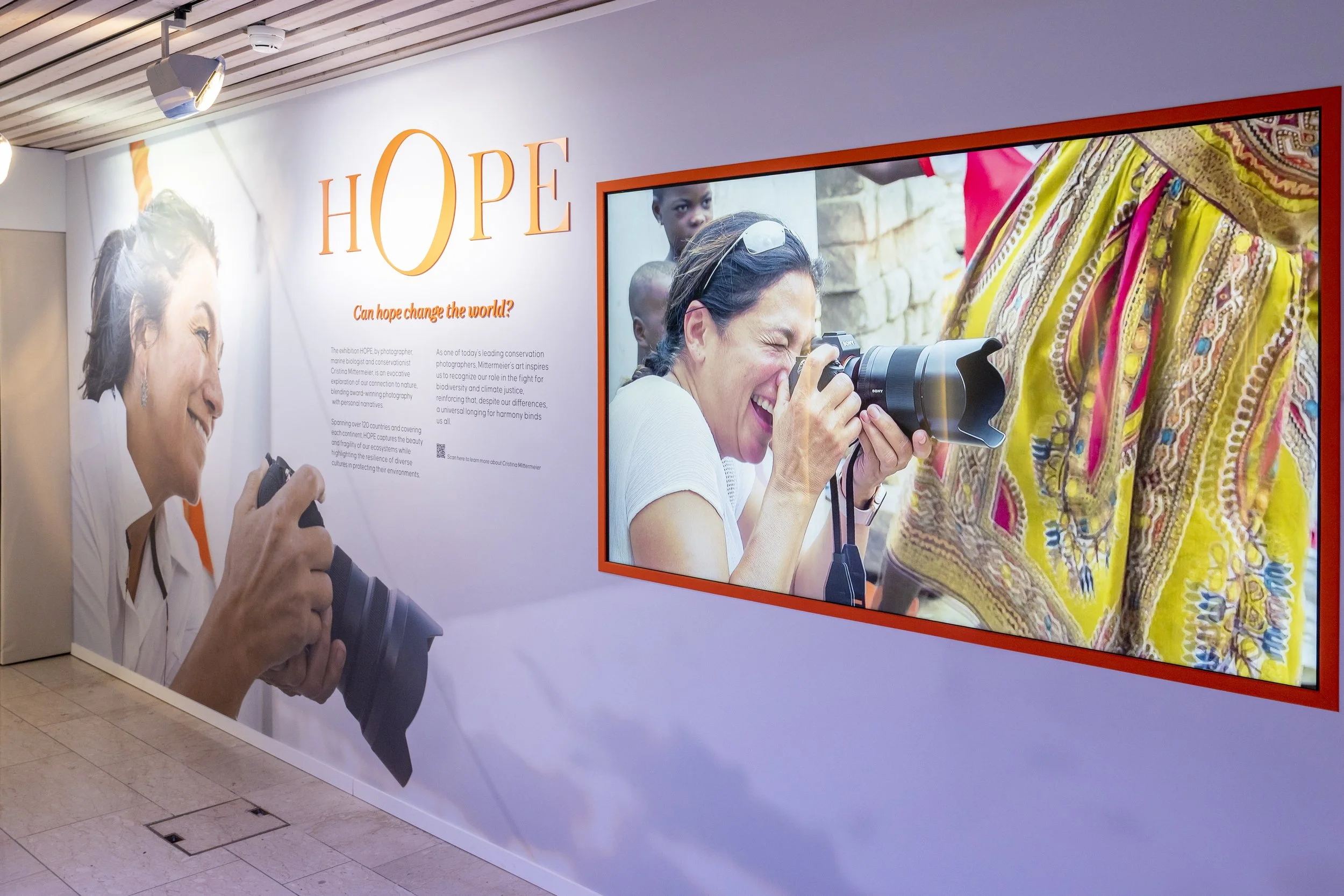
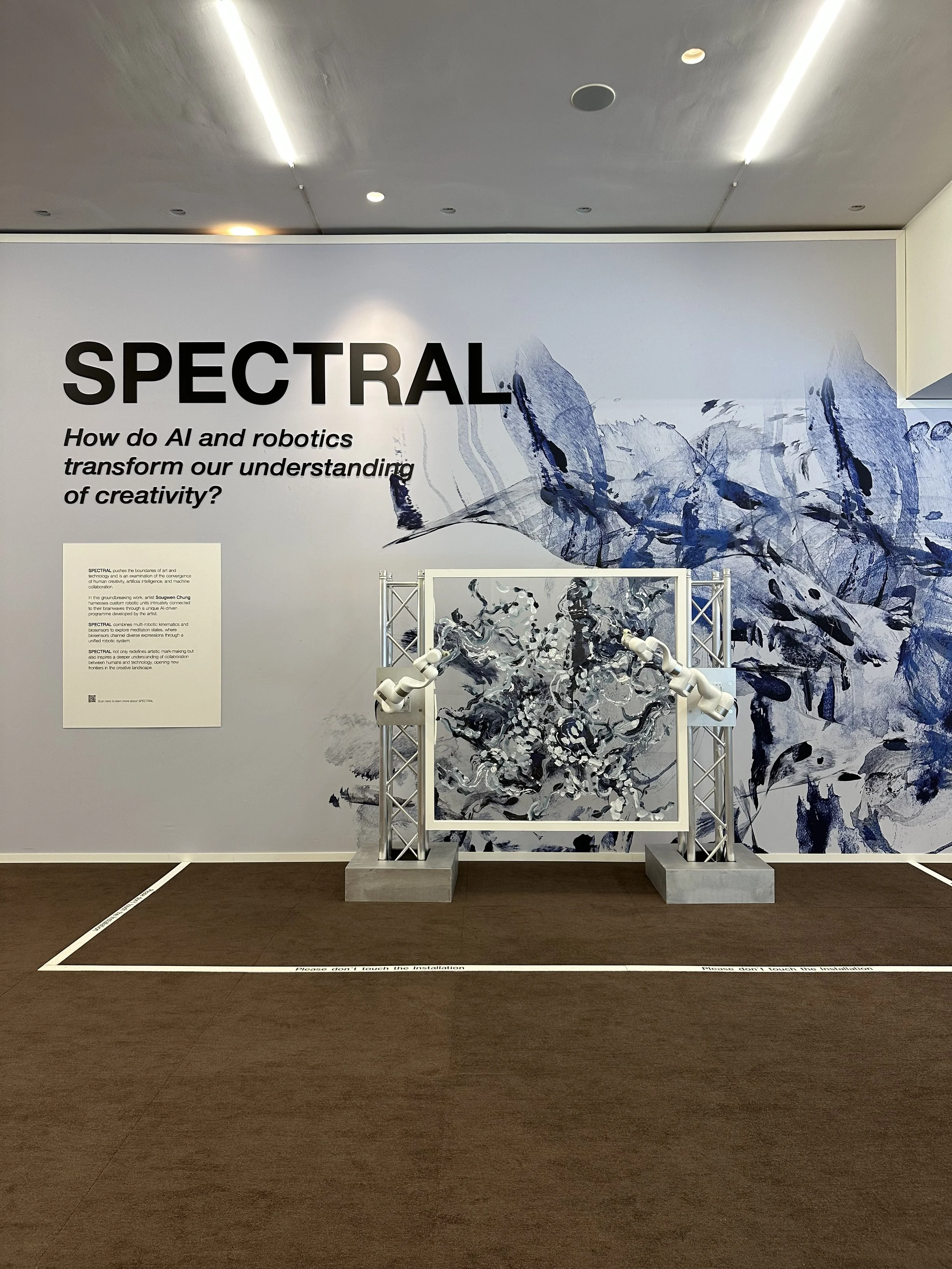
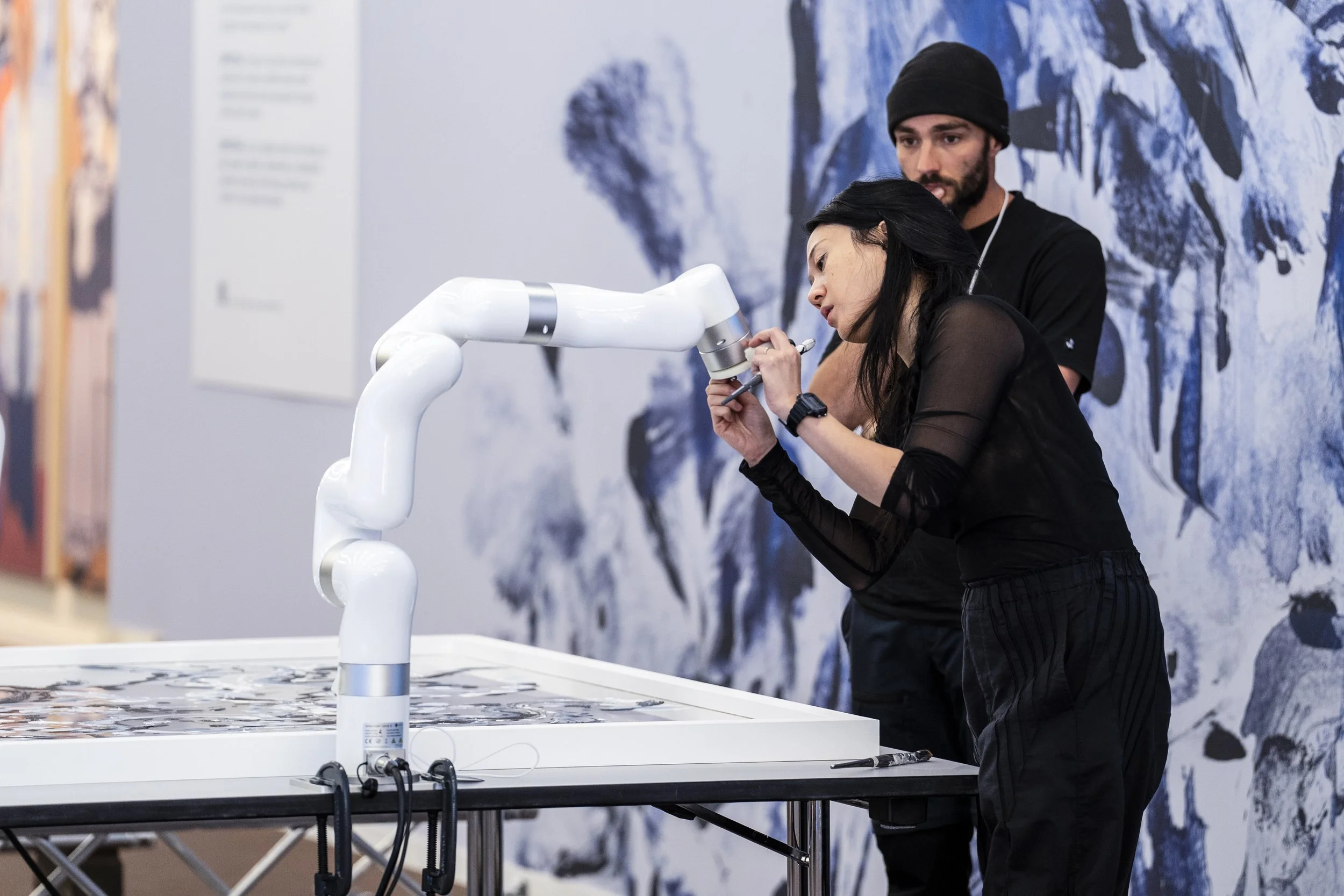
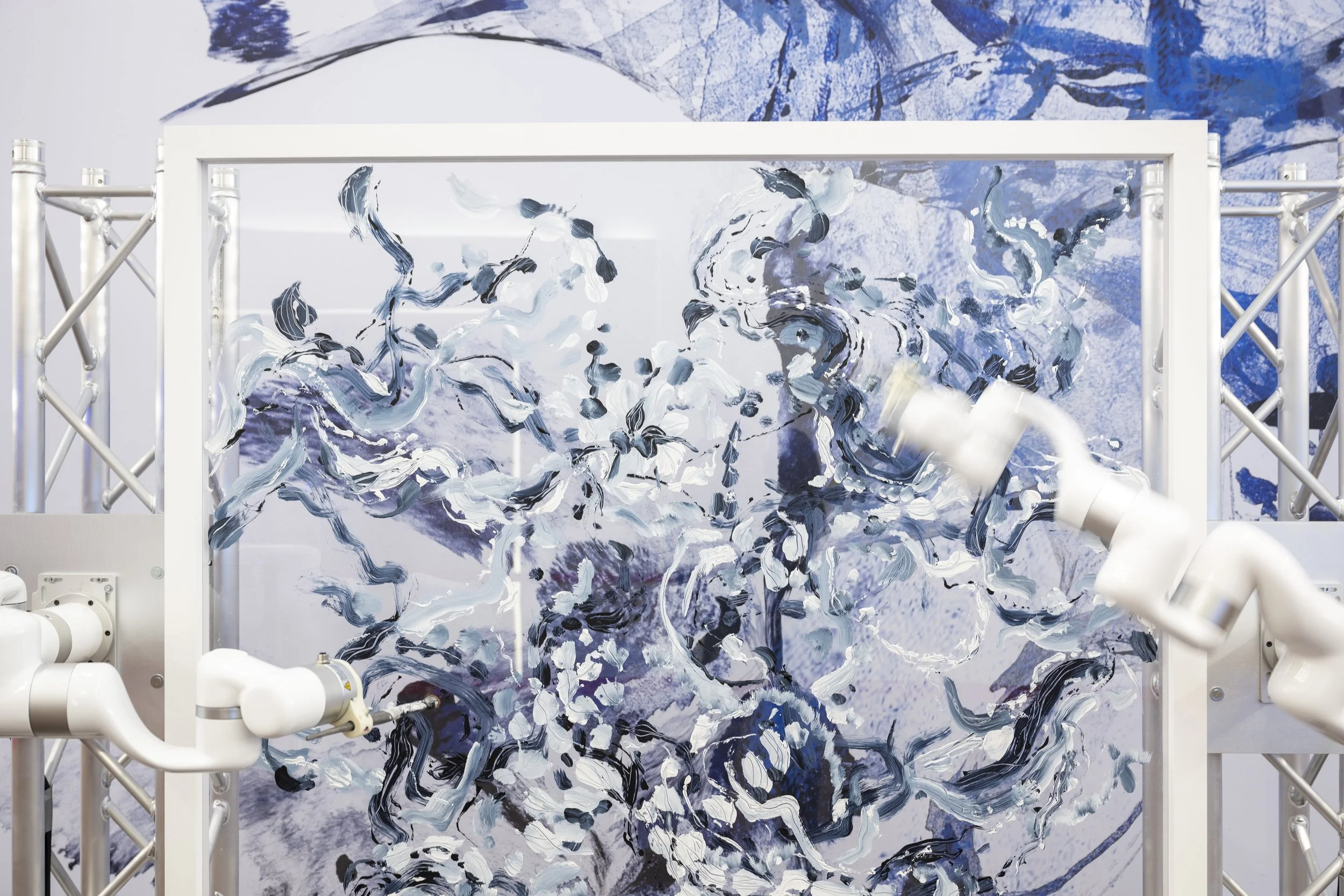
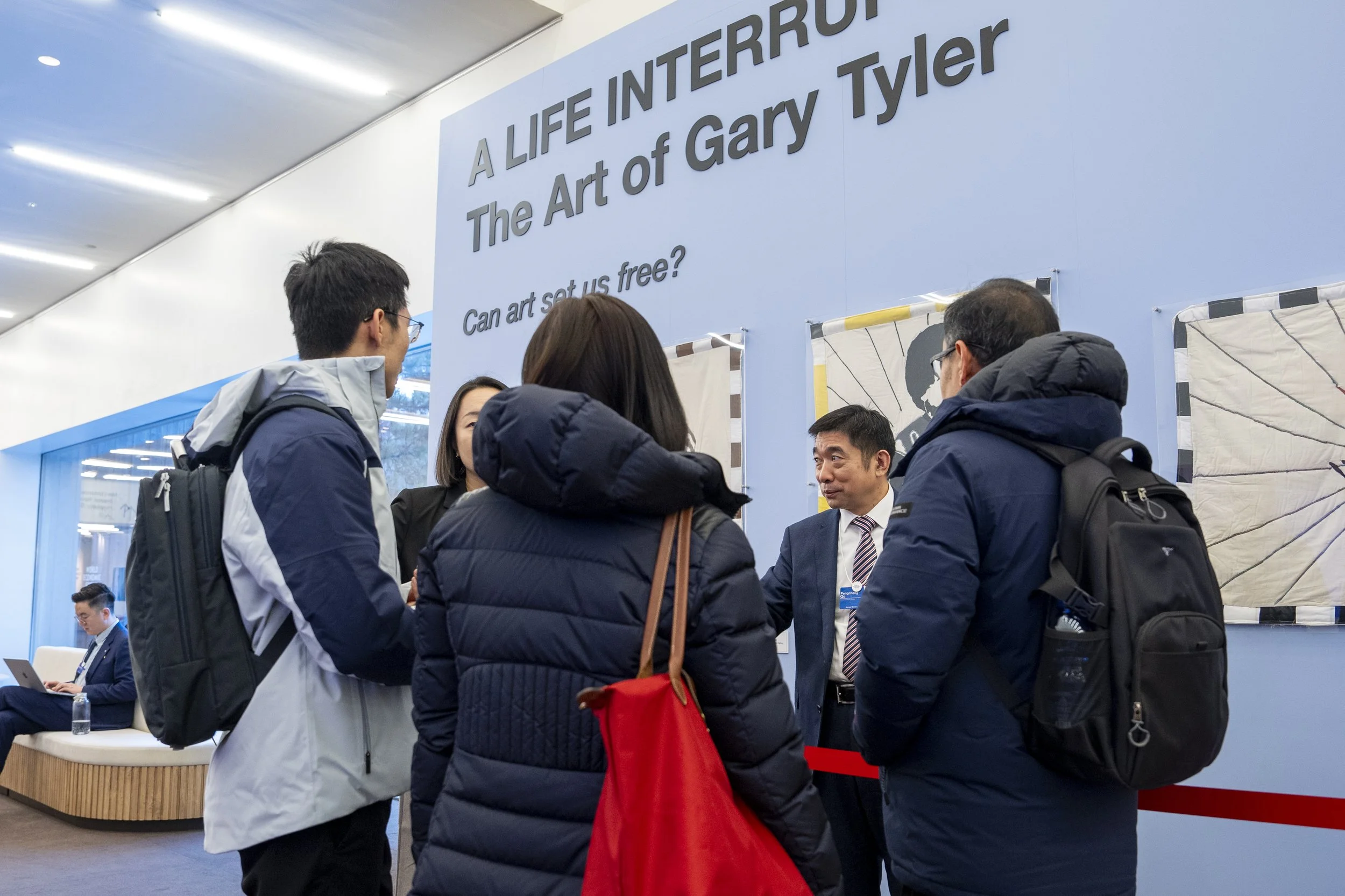
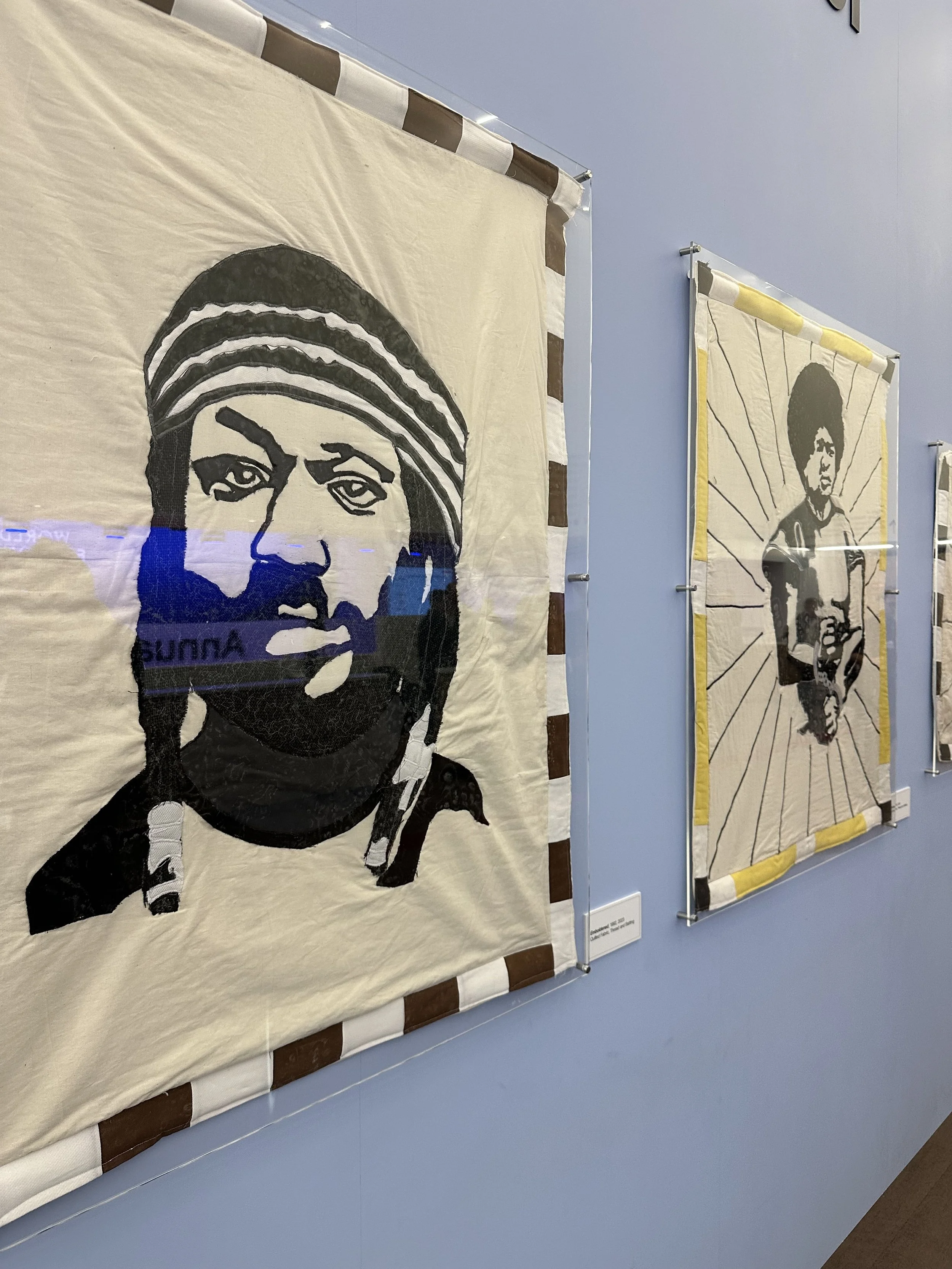
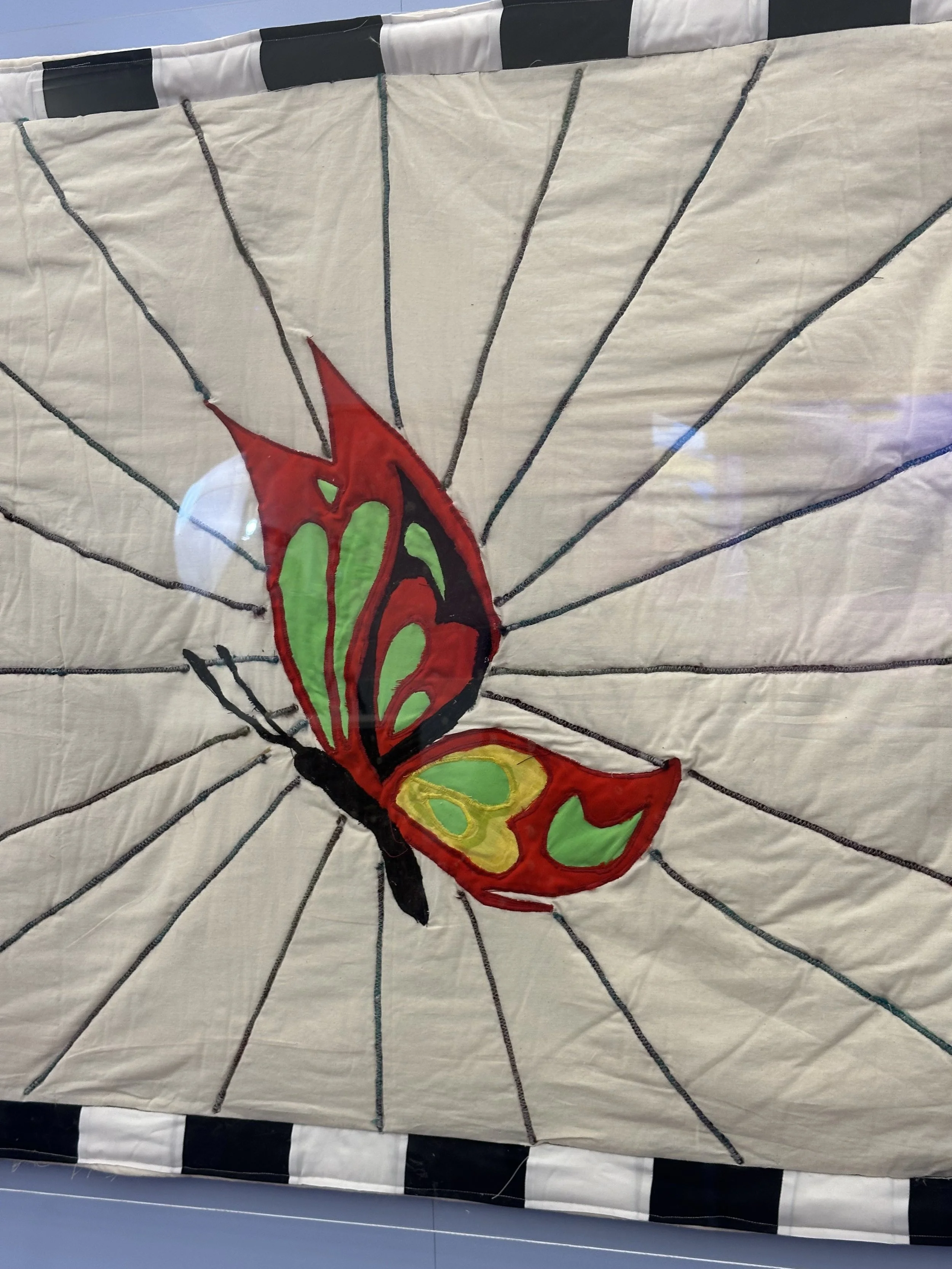
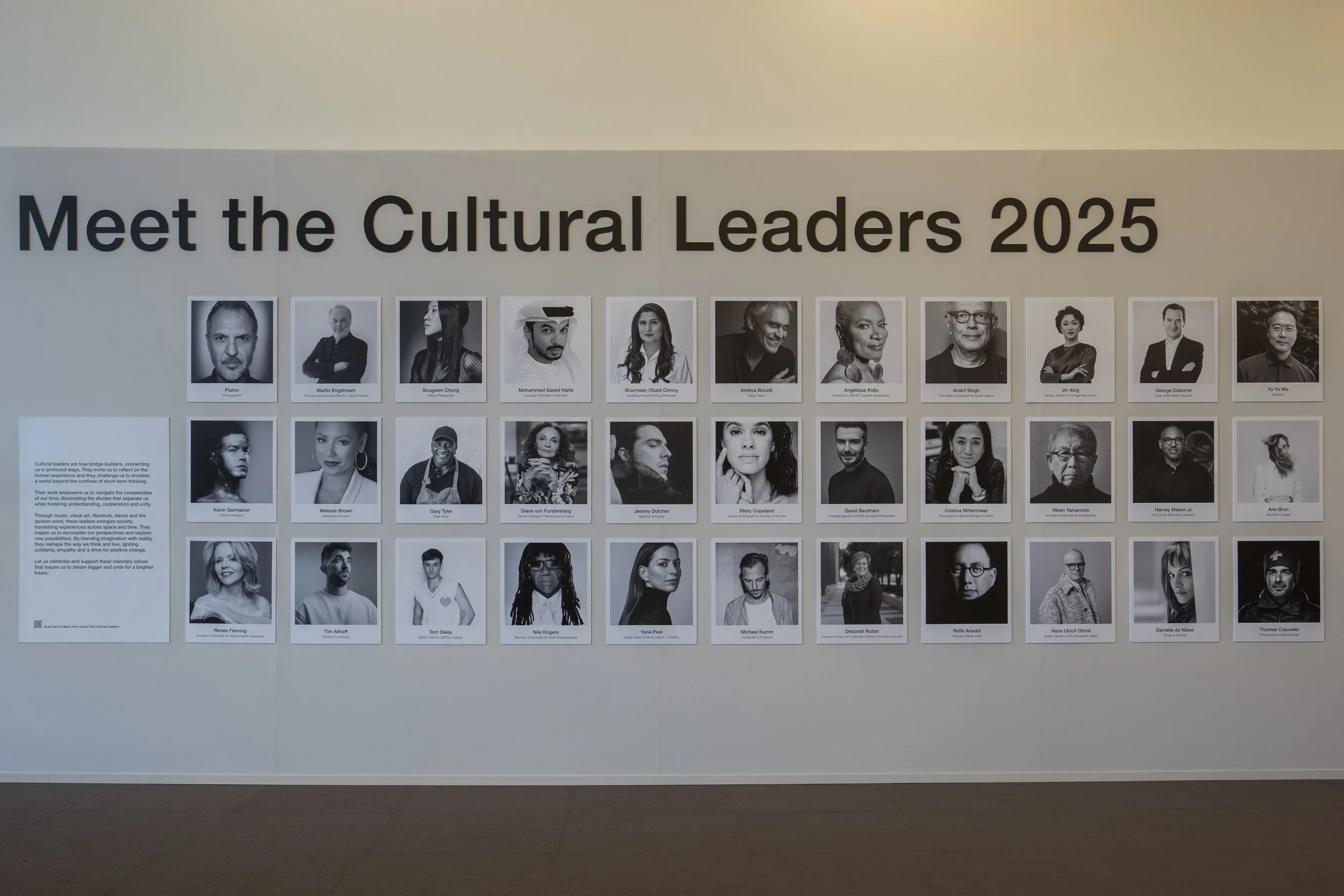
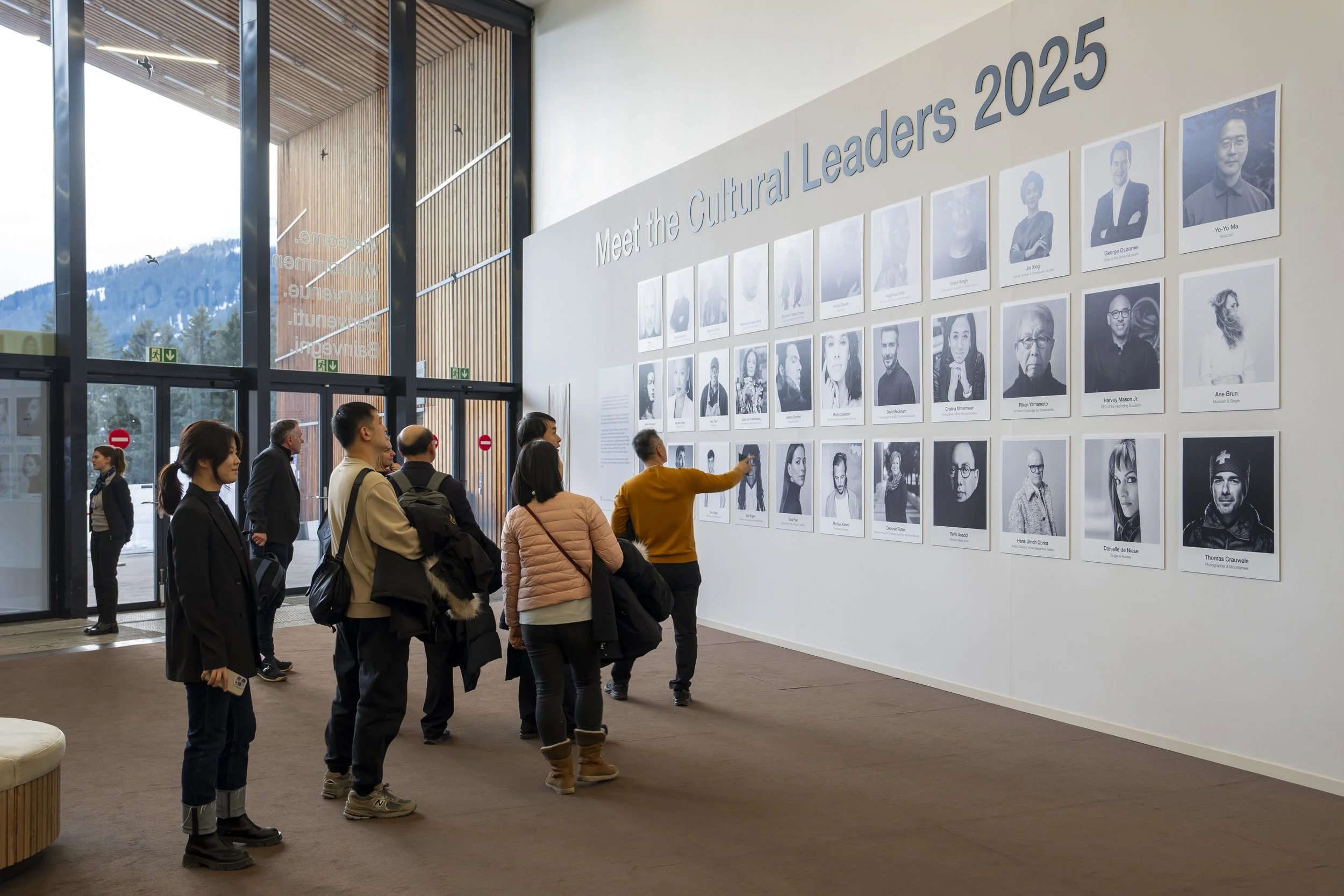
The ResultThe Arts & Culture exhibitions developed a stronger presence within the Forum's flagship events, bringing ambitious artistic projects into environments primarily designed for meetings and discussions. The programme included collaborations with internationally recognised artists, demonstrating the calibre of work the exhibitions could accommodate.
The exhibitions also became some of the most visible and engaging elements of the events, attracting press coverage and strong interest from participants. What had often been difficult to secure space and resources for became an important part of the event experience, offering a different way to engage with the themes being discussed.
Beyond the individual installations, the exhibition design framework established a consistent standard for spatial design, materials, display systems and environmental graphics. It provided a foundation for future exhibitions while allowing each artist's work and visual language to remain distinct.
For me, the achievement was not simply delivering exhibitions at this scale, but helping establish the conditions in which art could be given the space, attention and quality of presentation it deserved.
Artist CollaborationsRefik Anadol · Ronen Tanchum · Marina Abramović · JR · Thijs Biersteker · Krista Kim · Gary Tyler · Sougwen Chung · Jann Haworth & Liberty Blake · Harry Yeff · Sarah Cameron Sunde · Immy Humes · Sharmeen Obaid-Chinoy · Benjamin Von Wong · Yaman Yamsonite Okur · Kevin Germanier · The Olympic Museum Lausanne · Jude Kelly / WOW Foundation · Artolution with Dr. Max Frieder